World Breastfeeding Week 2026: Every Breastfeeding Journey Deserves Support
Aug 18, 2026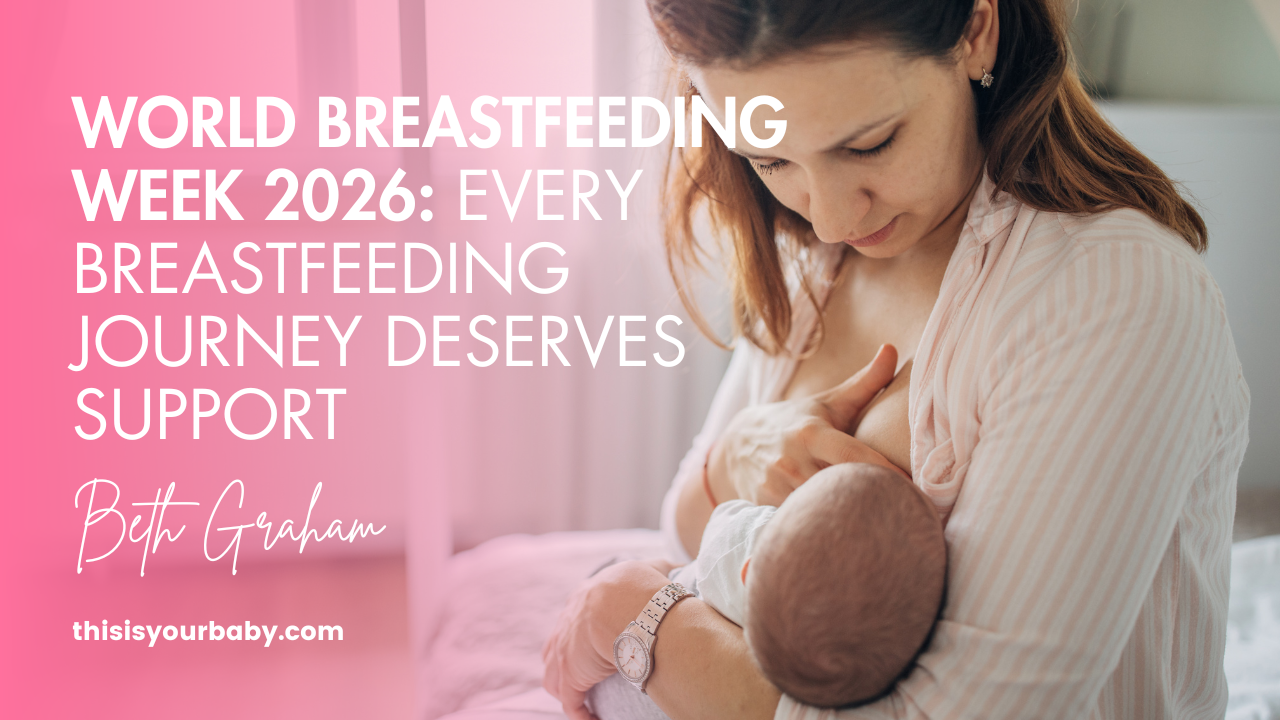
World Breastfeeding Week 2026: Every Breastfeeding Journey Deserves Support
1st-7th August is World Breastfeeding Week, a global campaign dedicated to protecting, promoting and supporting breastfeeding.
This year's theme, "Prioritize Breastfeeding: Create Sustainable Support Systems," reminds us of something I see every day as both a midwife and lactation consultant: successful breastfeeding is rarely about luck. It's about having the right support, the right information, and people around you who believe in you.
Whether you're expecting your first baby or preparing to welcome another little one, knowing what to expect can make all the difference.
Breastfeeding is natural... but that doesn't always mean it's easy
One of the biggest myths surrounding breastfeeding is that it should happen effortlessly.
For some families it does.
For many others, it takes time, patience, practice and support.
Those first few days can feel overwhelming. You may wonder whether your baby is getting enough milk, whether they're latching correctly, or whether you're doing something wrong.
The truth is, these worries are incredibly common.
That's why World Breastfeeding Week exists – not to tell mothers they must breastfeed, but to make sure every family has access to the support they need if they choose to.
Why breastfeeding matters
Breastfeeding offers remarkable health benefits for both babies and mothers.
For your baby
Breastmilk is uniquely designed for your baby's needs. It provides the perfect balance of nutrients while also helping protect against illness.
Research shows breastfeeding can help reduce the risk of:
- Ear, chest and urinary infections
- Diarrhoea and vomiting caused by infections
- Asthma
- Diabetes
- Obesity later in life
- Cardiovascular disease
- Some inflammatory bowel conditions
Breastmilk also passes antibodies from mother to baby, helping strengthen your baby's developing immune system.
For you
Breastfeeding benefits don't stop with your baby.
It can also help mothers by:
- Supporting recovery after birth
- Reducing postnatal bleeding
- Lowering the risk of breast and ovarian cancer
- Reducing the risk of osteoporosis
- Supporting heart health
- Reducing the likelihood of obesity and Diabetes
What helps breastfeeding succeed?
There isn't one magic secret to successful breastfeeding.
Instead, it's usually a combination of several factors working together.
Believe you can do it
Your mindset matters.
Approaching breastfeeding with confidence and determination can help you work through the normal challenges of the early days. That doesn't mean every feed will be easy, but believing it's possible often helps families persevere through those first hurdles.
Prioritise skin-to-skin contact
Holding your baby skin-to-skin as soon as is possible after the birth helps activate their natural feeding instincts while stimulating your hormones that support breastfeeding.
Even if there is a short separation after birth, such as following a caesarean section or while your baby is being checked, bringing your baby skin-to-skin as soon as it is possible is still as valuable.
Ask for help early
You never need to struggle alone.
Ask your midwives for support with every feed while you're in hospital, and don't hesitate to seek help from a lactation consultant if you're experiencing ongoing pain, latch difficulties or concerns about milk supply once you get home.
Getting help early can prevent small problems becoming much bigger ones.
Surround yourself with support
Partners, parents, friends and local breastfeeding groups all play an important role.
A kind word, practical help around the house, or someone reassuring you that you're doing brilliantly can make a huge difference during those early weeks.
Learn before your baby arrives
This is one of the biggest reasons I'm so passionate about antenatal education.
Parents who understand what's normal, what challenges they might face, and where to get help are often much more confident when their baby arrives.
Knowing what to expect helps remove doubt and replace it with confidence.
Think ahead if you're returning to work
Many mothers continue breastfeeding after returning to work and this goes more smoothly with a little planning.
Thinking ahead about expressing milk, storage, and protected pumping breaks before your maternity leave ends can help make the transition much smoother.
You don't have to do this alone
If there's one message I'd love every family to take away from World Breastfeeding Week, it's this:
Breastfeeding is a journey, not a test.
Some journeys are straightforward.
Others need a little extra support.
As a practising midwife and lactation consultant, I've helped thousands of families through those early feeding days, and I've seen just how much difference the right advice at the right time can make.
That's exactly why we created This Is Your Baby.
Our website and app are packed with trusted, evidence-based information, videos and practical guidance to help you prepare before birth and support you once your baby arrives.
Because every parent deserves to feel informed, supported and confident from day one.